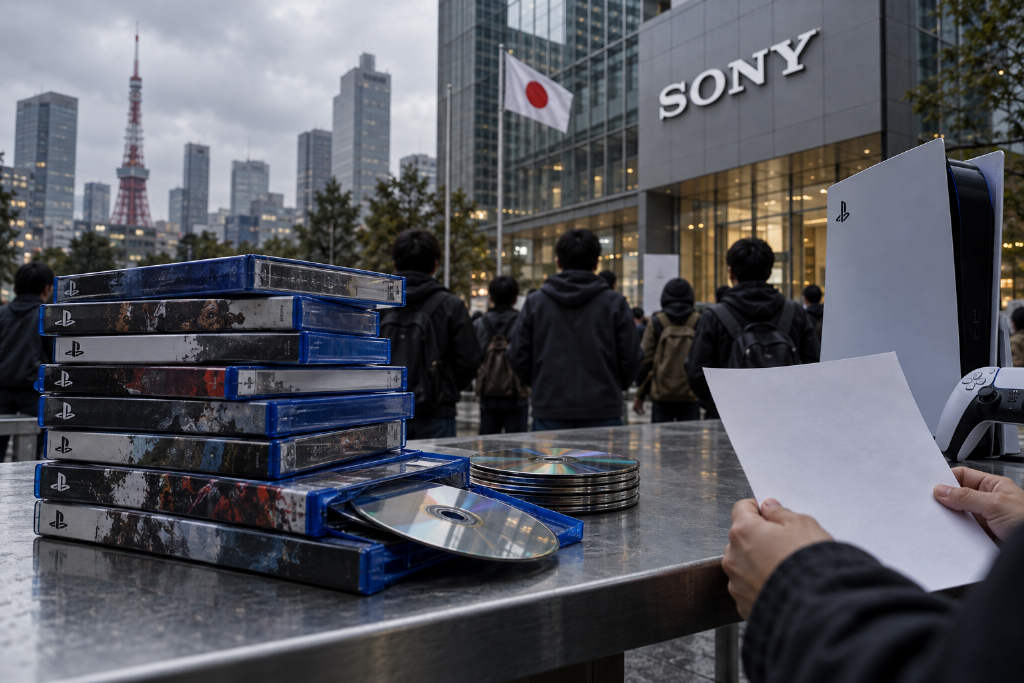
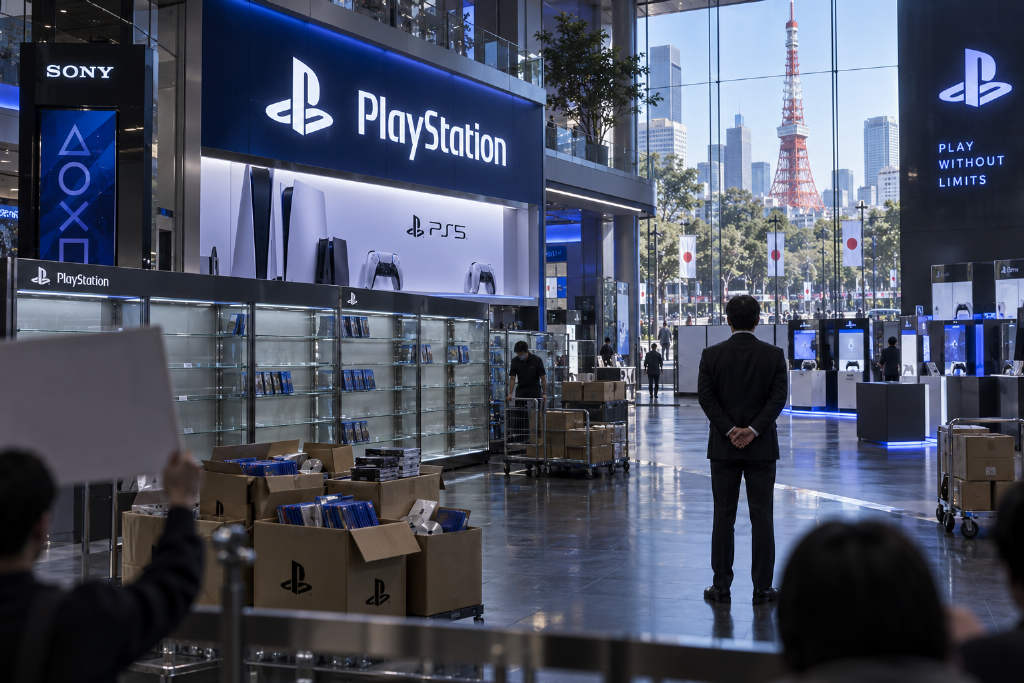
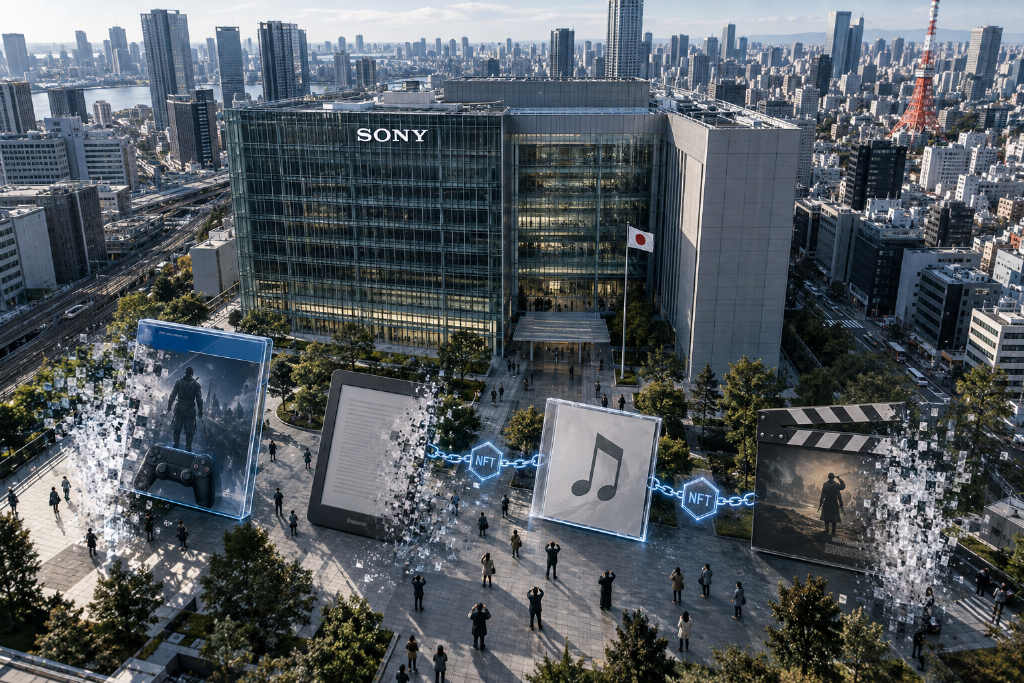
Sony2026-10-21 11:19:34PlayStation Founder Ken Kutaragi Dismisses Disc Ownership Backlash as a ‘Mentality Issue’Sony’s plan to end physical game disc production in 2028 is drawing a sharp response from players and industry figures, and PlayStation founder Ken Kutaragi has now weighed in. Speaking at the Game Republic New Horizons event, Kutaragi said he understands why physical discs have become a symbol of ownership for many players, but argued that the attachment is ultimately a “mentality issue” and not economically reasonable. His comments land as criticism of Sony’s move continues to build. Former PlayStation executive Shawn Layden has described the decision as a “heavily spreadsheeted” one that hurt Sony’s reputation, while the “Don’t Kill the Disc” petition has collected more than 385,000 signatures. Other voices in the game business have framed the issue less as consumer nostalgia and more as a fight over control, margins, and resale. Former Infinity Ward strategist Robert Bowling told Decrypt that publishers are the only parties consistently pushing to eliminate discs because doing so cuts production costs and weakens the secondhand market led by retailers such as GameStop. The debate also reaches beyond packaging. Court filings cited in the report say Sony has argued that buyers of digital PlayStation Store titles receive a revocable license rather than ownership of the games themselves. That position has added fuel to a broader argument over what players actually possess when they pay for digital content.350
Sony2026-10-08 10:45:11Former PlayStation Executive Criticizes Sony’s Disc Phaseout as Ownership Debate Spills Into CryptoFormer PlayStation executive Shawn Layden has criticized Sony’s plan to stop producing physical discs for its game consoles by 2028, calling it a decision driven by spreadsheets and saying it has already hurt the company’s brand. The backlash has been building since Sony announced the move in July, with a physical game advocacy group pushing for an organized boycott and the “Don’t Kill the Disc” petition collecting more than 385,000 signatures. Sony, however, has shown no sign of changing course. Layden said the shift reframes the issue from whether players own a game to whether they merely have access to a digital asset. He argued that if a user cannot resell what they bought, then ownership becomes questionable. His comments came months after Sony argued in a California court that no reasonable consumer believes they own digital games purchased through the PlayStation Store, according to court filings reviewed by Game File. That legal position has also drawn attention from parts of the crypto industry, where some advocates again pitched NFTs as a way to give gamers verifiable ownership. The report notes that this fix remains incomplete: many NFTs still depend on public metadata and centrally hosted files, leaving access tied to third-party infrastructure.670
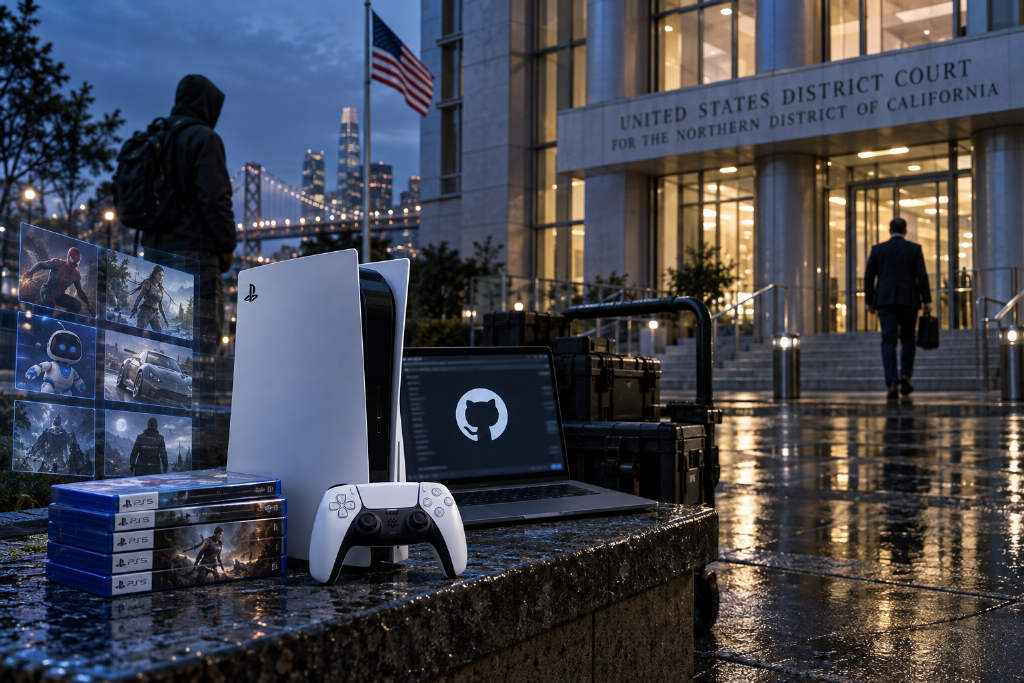
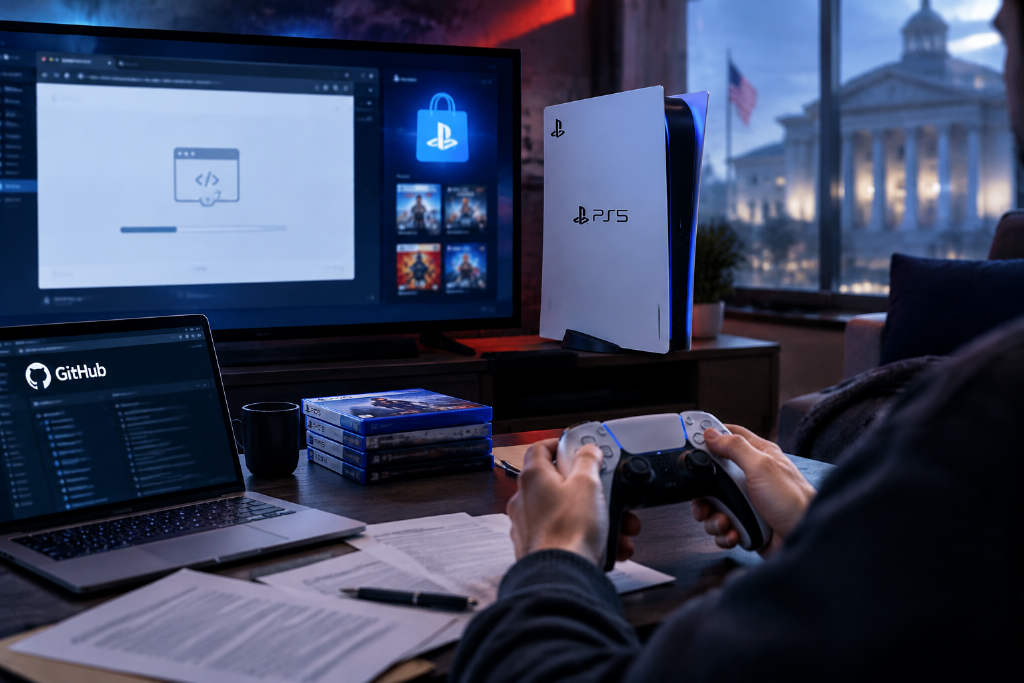
PS52026-10-01 08:19:18PS5 jailbreak tool Relapse goes open source as Sony argues players do not own digital gamesA newly published PS5 jailbreak exploit chain, Relapse, has appeared on GitHub with support for firmware versions 7.00 through 13.60, drawing 1,469 stars and 353 forks by Oct. 1 after being created on Sept. 17, 2026. Around the same time, Sony Interactive Entertainment told a federal court in California that consumers who buy digital PlayStation games receive a revocable license rather than ownership of the software. According to the repository README, Relapse combines a browser-stage JavaScriptCore information leak and typed array corruption with a kernel-stage exploit involving an address leak and a use-after-free race condition in aio_multi_wait, ultimately granting kernel read and write access. The project says the default payload sits in the payloads directory and the ELF loader listens on port 9021. The README also warns that the WebKit stage may require multiple attempts and that the kernel stage can crash the console or trigger a panic. The legal dispute comes from Heycock v. Sony Corporation of America, where four PlayStation users sued over the PlayStation Store’s “Buy Now” button. Sony later moved to compel arbitration or dismiss the complaint, citing terms that state the software is licensed, not sold. A hearing first set for Oct. 1 was rescheduled on Sept. 29 to Oct. 29.720
Sony2026-09-29 19:31:04Public PS5 jailbreak Relapse arrives as Sony faces scrutiny over digital game ownershipA public PlayStation 5 jailbreak called Relapse has been released for firmware versions 7.00 through 13.60, using a simple method that starts with changing the console’s primary DNS and opening a web-based exploit page. The code is available on GitHub under an MIT license and chains two attacks, allowing users to load payloads through an ELF loader, run homebrew software, and use game backups. The release has drawn extra attention because it comes only weeks after Sony argued in court that buyers of digital PlayStation games do not actually obtain ownership, but only a license. That legal position is at the center of a class action filed in June in the Northern District of California by four PlayStation customers who say the store’s “Buy Now” button is misleading. Relapse is not a polished tool: it is tethered, stops working after a reboot until rerun, and may require repeated attempts at the WebKit stage. The project also warns of possible system failures, data loss, and account bans. Sony’s 14.00 firmware, released on September 16, is not compatible with the jailbreak.4100
Sony2026-09-21 16:46:03Sony digital ownership dispute puts blockchain back in the conversationSony’s court argument that players do not truly own the digital games they buy has reopened a broader debate over what ownership means online. In a report by Decrypt, executives, researchers, and blockchain builders said the issue reaches far beyond gaming, touching ebooks, film, television, and music streaming, where purchases often amount to revocable licenses rather than durable property rights. They argued that centralized platforms retain the power to delete, edit, or restrict access to digital goods after the fact. Several of the people interviewed said blockchain and Web3 still offer a technical route toward clearer digital ownership, but only if both the ownership record and the underlying content are handled in a decentralized way. They also pointed to major shortcomings in earlier NFT models, including reliance on company-hosted files, public metadata that exposes content to anyone, and weak integration with wallets and marketplaces. While the technology for private or encrypted NFTs already exists, they said mainstream adoption still faces a credibility problem after the speculative NFT boom damaged public trust.740
InterLink AI2026-07-11 02:00:13Reaching #51 in Just One Year: InterLink AI Sets Sights on NIST Top 30InterLink AI’s interlinklabs_003 model secures the 51st spot in the NIST rankings within its first year, excelling in anti-aging, anti-pose variation, and anti-fraud tasks, with a clear ambition to break into the top 30.700
NFT2026-05-29 12:00:11What Is an NFT? A Complete Guide to Non-Fungible TokensAn NFT (non-fungible token) is a blockchain-based unique digital asset that proves ownership of items like digital art, music, and collectibles. This comprehensive guide explains what NFTs are, how they work, their benefits, and the step-by-step processes of buying, selling, and creating them. It covers the history from the 2014 Quantum to the $69 million Beeple auction, examines the relationship with cryptocurrencies, and discusses profitability risks and future trends such as gaming, virtual real estate, and AI integration.710